
มีค่าใช้จ่ายเริ่มในอีก 5 วัน
การแสดง
คอนเสิร์ตเปิดตัว Rochestra
Gangnam-gu·Kwanglim Arts Center
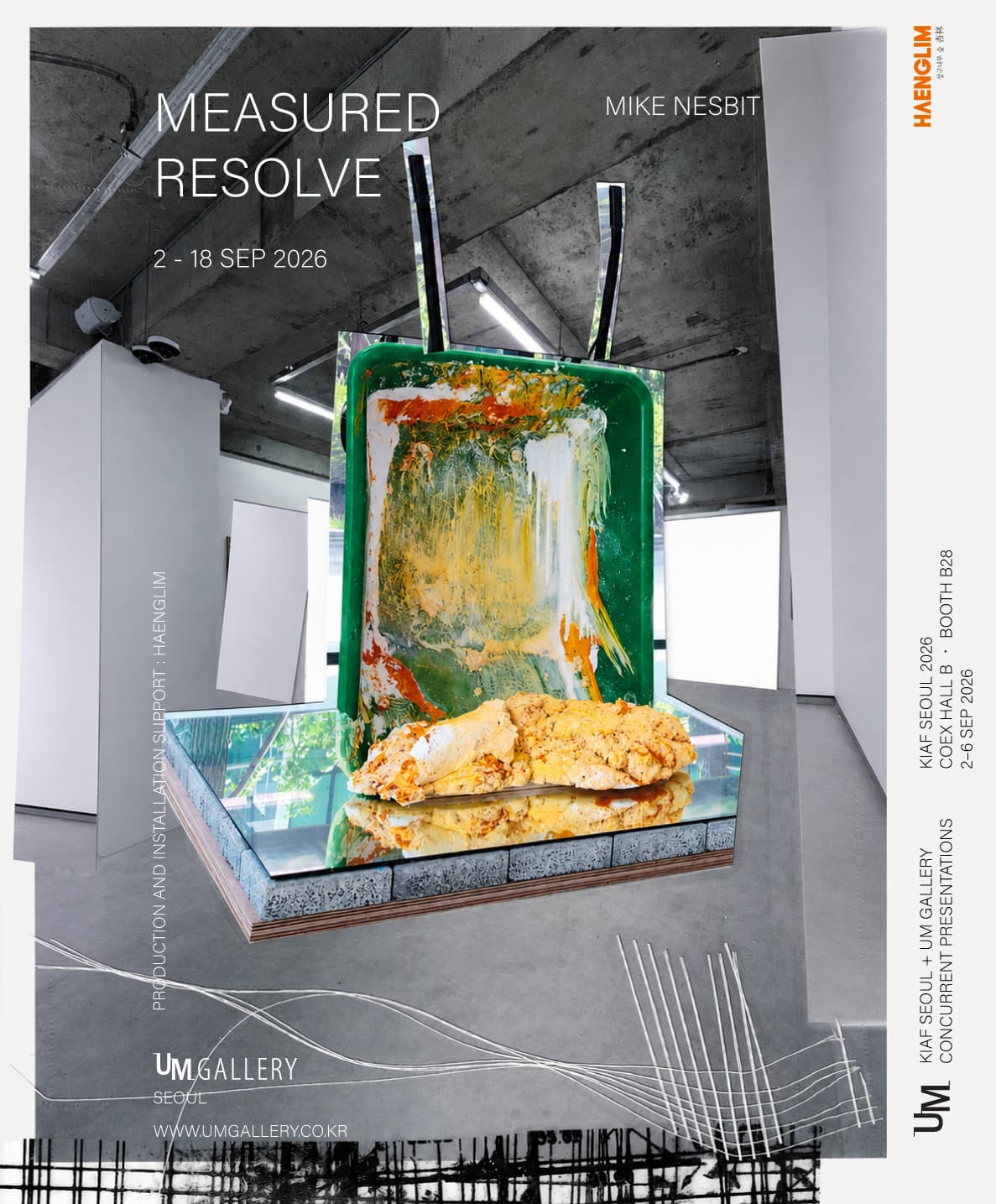
ฟรี · Gangnam-gu UM Gallery
สำหรับ Mike Nesbit การวาดภาพไม่ได้จำกัดอยู่แค่การวางภาพลงบนพื้นผิวระนาบเท่านั้น เขาสำเร็จการศึกษาด้านสถาปัตยกรรมและมีประสบการณ์ตรงจากไซต์งานก่อสร้าง เขาจึงดึงเอาวัสดุที่ใช้สร้างโครงสร้าง เช่น คอนกรีต ไม้ ไม้อัด และตะแกรงเหล็ก พร้อมทั้งกระบวนการก่อสร้าง เช่น การตัด การประกอบ การเท การค้ำยัน และการตั้งโครง เข้ามาใช้เป็นภาษาของการวาดภาพ ในผลงานของเขา วัตถุไม่ได้เป็นเพียงสื่อกลางสำหรับถ่ายทอดภาพ แต่เป็นองค์ประกอบที่มีบทบาทหลักในการทิ้งร่องรอยแห่งน้ำหนัก แรงกด แรงโน้มถ่วง และเวลาด้วยตัวเอง ผลงานจึงไม่ได้เป็นการทำซ้ำภาพที่กำหนดไว้ล่วงหน้า แต่ถือกำเนิดขึ้นจากเงื่อนไขทางกายภาพและการเปลี่ยนแปลงในพื้นที่จริงระหว่างกระบวนการสร้างสรรค์ ทัศนคตินี้เด่นชัดยิ่งขึ้นผ่านนิทรรศการ 《Pour Tomorrow》(2025) และ 《Built Like Us》(2026) ใน 《Pour Tomorrow》 Nesbit มองไซต์ก่อสร้างเป็นพื้นที่จัดแสดง และมองพื้นที่จัดแสดงเป็นไซต์ก่อสร้าง โดยนำแบบหล่อ เครื่องมือ คอนกรีต และแรงงาน มารวบรวมไว้ในระบบประติมากรรมเดียวกัน ต่อมาใน 《Built Like Us》 องค์ประกอบที่มีไว้เพื่อการผลิต เช่น รถเข็น ถังน้ำ รองเท้าบูททำงาน ตะแกรงเหล็ก และบล็อกคอนกรีต ได้ขยายไปสู่พื้นผิว ฐานรองรับ และโครงสร้างการติดตั้งของภาพวาดและงานประติมากรรม ส่วน 《MEASURED RESOLVE》 ไม่ได้เปลี่ยนภาษานี้ใหม่ แต่เป็นการนำมาร้อยเรียงใหม่ภายในพื้นที่จัดแสดงเฉพาะในโซล เพื่อเผยความสัมพันธ์ระหว่างผลงานและสถานที่อย่างตรงไปตรงมายิ่งขึ้น ชื่อนิทรรศการ 《MEASURED RESOLVE》 สื่อถึงทัศนคติสองประการที่นำทางกระบวนการสร้างสรรค์นี้ ‘Measured’ ไม่ใช่ความแม่นยำของตัวเลข แต่เป็นการวัดที่ประเมินน้ำหนัก ระยะทาง ความสมดุล และแรงต้านผ่านร่างกาย แม้จะมีการวัดขนาด วางแผนลำดับ และเตรียมโครงสร้างไว้ แต่材料และพื้นที่ก็ไม่ได้เคลื่อนไหวตามแผนเสมอไป ส่วน ‘Resolve’ หมายถึงความมุ่งมั่นที่จะดำเนินตามแผนจนจบ พร้อมกับหมายถึงการตัดสินใจหน้างานว่าจะยอมรับสิ่งใด แก้ไขสิ่งใด และหยุดตรงไหน สำหรับ Nesbit ความสมบูรณ์ไม่ใช่จุดที่บรรลุรูปทรงที่กำหนดไว้ แต่เป็นสภาวะชั่วคราวที่เลือกผ่านการเจรจาระหว่างแผนการ วัสดุ การควบคุม และความบังเอิญ ในนิทรรศการนี้ บันไดและรถเข็นถูกนำเสนอเป็นงานประติมากรรม พร้อมกับมีส่วนร่วมโดยตรงในกระบวนการสร้างสรรค์ภาพวาด ผลงาน 《Vertical Easement》 ซึ่งสร้างขึ้นในแนวราบบนพื้นห้องจัดแสดง มีร่องรอยของการสัมผัส แรงกด และการไหลของวัสดุหลงเหลืออยู่บนพื้นผิว ก่อนที่ผลงานที่เสร็จสมบูรณ์จะถูกยกขึ้นในแนวตั้งเพื่อกลายเป็นภาพวาด การเปลี่ยนจากแนวราบสู่แนวตั้งนี้สั่นคลอนเส้นแบ่งระหว่างการผลิตและการจัดแสดง เครื่องมือและผลงานศิลปะ นอกจากนี้ ในระหว่างการรื้อถอนกระเบื้องพื้น เมื่อพบชั้นกระเบื้องเดิมที่ไม่คาดคิด ศิลปินก็เลือกที่จะหยุดทำงาน ณ จุดนั้นโดยไม่รื้อถอนต่อจนถึงความลึกที่วางแผนไว้ การตัดสินใจยอมรับเงื่อนไขที่ค้นพบใหม่เป็นเกณฑ์ในการตัดสินใจ แทนที่จะมองว่าเป็นความล้มเหลว แสดงถึงคำว่า ‘Resolve’ ในชื่อนิทรรศการได้อย่างเป็นรูปธรรมที่สุด การผลิตและการติดตั้งนิทรรศการนี้จัดทำขึ้นร่วมกับ Haenglim Architects & Engineers ในกระบวนการเนรมิตและปรับแต่งโครงสร้างขนาดใหญ่ คอนกรีต และโครงไม้ภายในพื้นที่จริง การผลิตและการติดตั้งจึงไม่ใช่ขั้นตอนทางเทคนิคที่เกิดขึ้นหลังงานศิลปะ แต่เป็นส่วนหนึ่งที่มีบทบาทในการสร้างสรรค์ผลงาน การเปิดเผยพื้นผิว การสะท้อนของกระจก การมีอยู่ทางกายภาพของบันไดและรถเข็น รวมถึงภาพวาดที่ตั้งพิงผนัง ไม่ได้แยกขาดจากกัน แต่สร้างความสัมพันธ์ใหม่ๆ อย่างต่อเนื่องตามการเคลื่อนไหวของผู้เข้าชม ในท้ายที่สุด ภาพวาดใน 《MEASURED RESOLVE》 จึงไม่ได้หยุดอยู่แค่การเป็นวัตถุชิ้นหนึ่งที่แขวนอยู่บนผนัง แต่เป็นเหตุการณ์เชิงพื้นที่ที่ก่อตัวขึ้นอย่างต่อเนื่องระหว่างเครื่องมือ ประติมากรรม พื้น สถาปัตยกรรม แรงงาน การทำงานร่วมกัน และร่างกายของผู้เข้าชม For Mike Nesbit, painting is less a bounded medium than a field of construction. Trained in architecture and shaped by work in building environments, he mobilizes concrete, timber, plywood, and steel mesh alongside the procedures through which structures are made: cutting, bracing, pouring, lifting, positioning. Materials are not neutral supports but agents that register force, gravity, duration, and contact. The image therefore emerges not from a fixed composition but from the contingencies of fabrication and site. This logic has developed across Pour Tomorrow (2025) and Built Like Us (2026). In Pour Tomorrow, the construction site and exhibition space were treated as reciprocal conditions, with formwork, tools, concrete, and labor occupying a single spatial system. Built Like Us pushed these provisional supports further into the work itself: wheelbarrows, buckets, work boots, mesh, and concrete blocks became surface, structure, and sculptural form. MEASURED RESOLVE relocates this vocabulary within UM Gallery, where the relation between object, process, and architecture becomes immediate and site-specific. The title names two interdependent modes of working. “Measured” suggests not numerical exactitude alone, but an embodied calibration of distance, balance, weight, and resistance. Structures are planned and dimensions taken, yet matter and site remain only partially governable. “Resolve” thus signifies both determination and judgment: the capacity to continue, revise, accept, or stop. Completion appears not as the realization of a fixed plan, but as a provisional resolution negotiated between intention and contingency. Here, a ladder and wheelbarrow function simultaneously as sculpture and as instruments in the making of painting. Vertical Easement was produced horizontally on the gallery floor, where contact, pressure, and material movement registered across its surface before the work was raised upright. The shift from horizontal fabrication to vertical display collapses distinctions between tool and artwork, production and exhibition. The same logic governs the floor intervention: when removing the existing tile exposed an earlier layer, Nesbit chose not to continue toward the intended concrete slab. The decision to stop turns discovery into a material form of resolve. The exhibition was realized in collaboration with Haenglim Architects & Engineers. Within a practice dependent on concrete, timber frameworks, tools, and architectural conditions, fabrication and installation do not follow conception; they are constitutive of it. Exposed floor, mirrored surfaces, ladder, wheelbarrow, and paintings operate as a shifting field of relations activated by the viewer’s movement. MEASURED RESOLVE consequently positions painting not as an autonomous object but as a spatial event produced through material, labor, architecture, and bodies in motion.
Gangnam-gu UM Gallery
ยังไม่มีรีวิว มาแบ่งปันเป็นคนแรกกัน
กรุณาเขียนอย่างน้อย 10 ตัวอักษร โฆษณาและลิงก์จะถูกปฏิเสธ
Gangnam-gu·Kwanglim Arts Center

Gangnam-gu·Kwanglim Arts Center

Gangnam-gu·Kwanglim Art Center
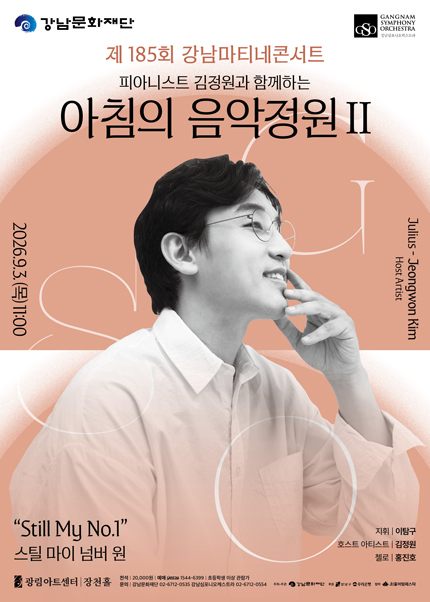
Gangnam-gu·Kwanglim Art Center

Gangnam-gu·ศูนย์ศิลปะควังลิม

Gangnam-gu·ศูนย์ศิลปะควังลิม

Gangnam-gu·โซเชียลเวนิว ราอุม
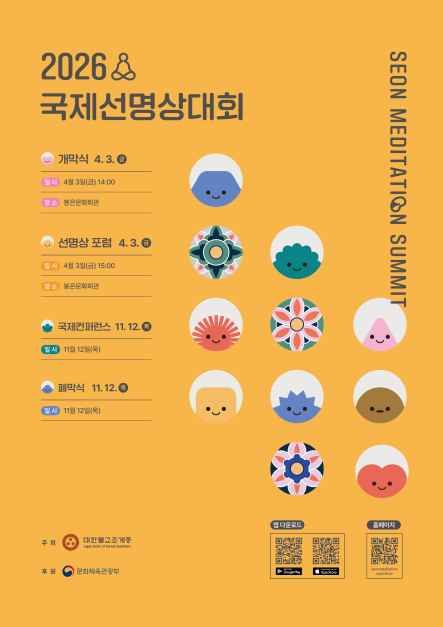
Gangnam-gu·วัดพงอึนซา, ศูนย์วัฒนธรรมพงอึน

Gangnam-gu·ยากิสตูดิโอ

Gangnam-gu·กวังยาอาร์ตเซนเตอร์

Gangnam-gu·ห้องสมุดเด็กและเยาวชนแห่งชาติ

Gangnam-gu·เรดรูจเธียเตอร์
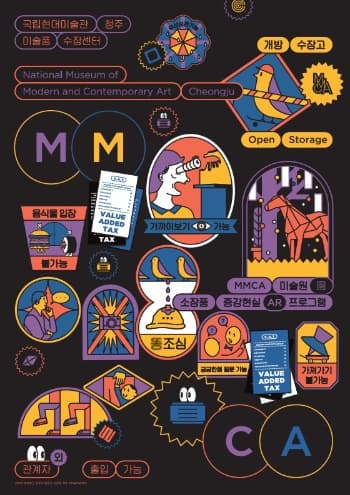
Cheongju-si·พิพิธภัณฑ์ศิลปะสมัยใหม่และร่วมสมัยแห่งชาติ สาขาชองจู

สวนสัตว์โซลแกรนด์พาร์ค

พิพิธภัณฑ์สถานแห่งชาติเกาหลี
Yongsan-gu·พิพิธภัณฑ์สถานแห่งชาติเกาหลี อาคารจัดแสดงถาวร ห้องกรีก-โรมันโบราณ
Haeundae-gu·พิพิธภัณฑ์ศิลปะเมืองปูซาน
Saha-gu·พิพิธภัณฑ์ศิลปะร่วมสมัยปูซาน
![โปสเตอร์ ศิลปินสื่อ AI ระดับโลก [นิทรรศการถาวรครั้งแรกของ Refik Anadol]](/img/cc78601fffe49fa1-card.webp)
Yeongdeungpo-gu·ยออีโด อาคาร 63 ชั้น 1 ล็อบบี้ฝั่งตะวันออก
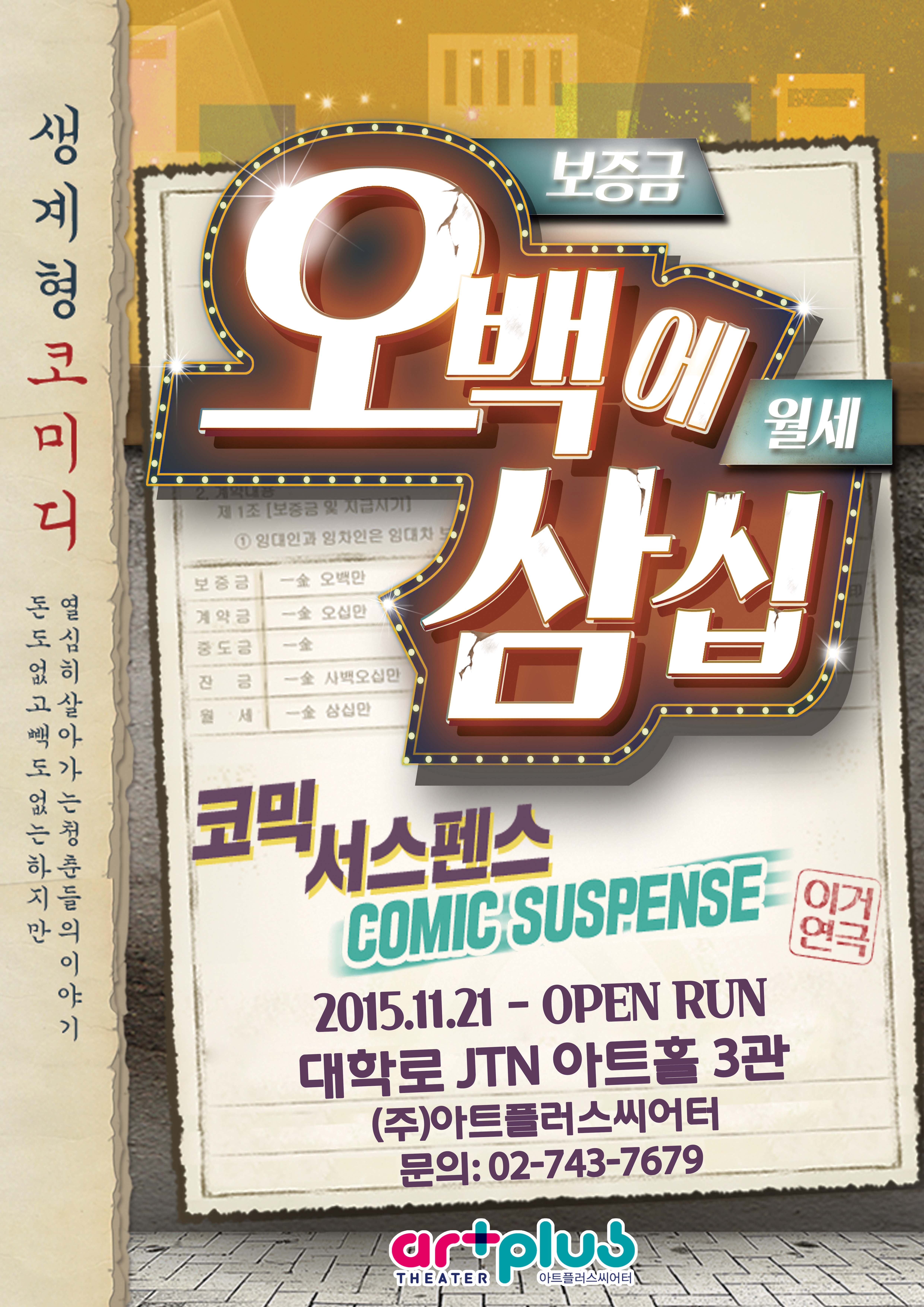
Jongno-gu·JTN Art Hall
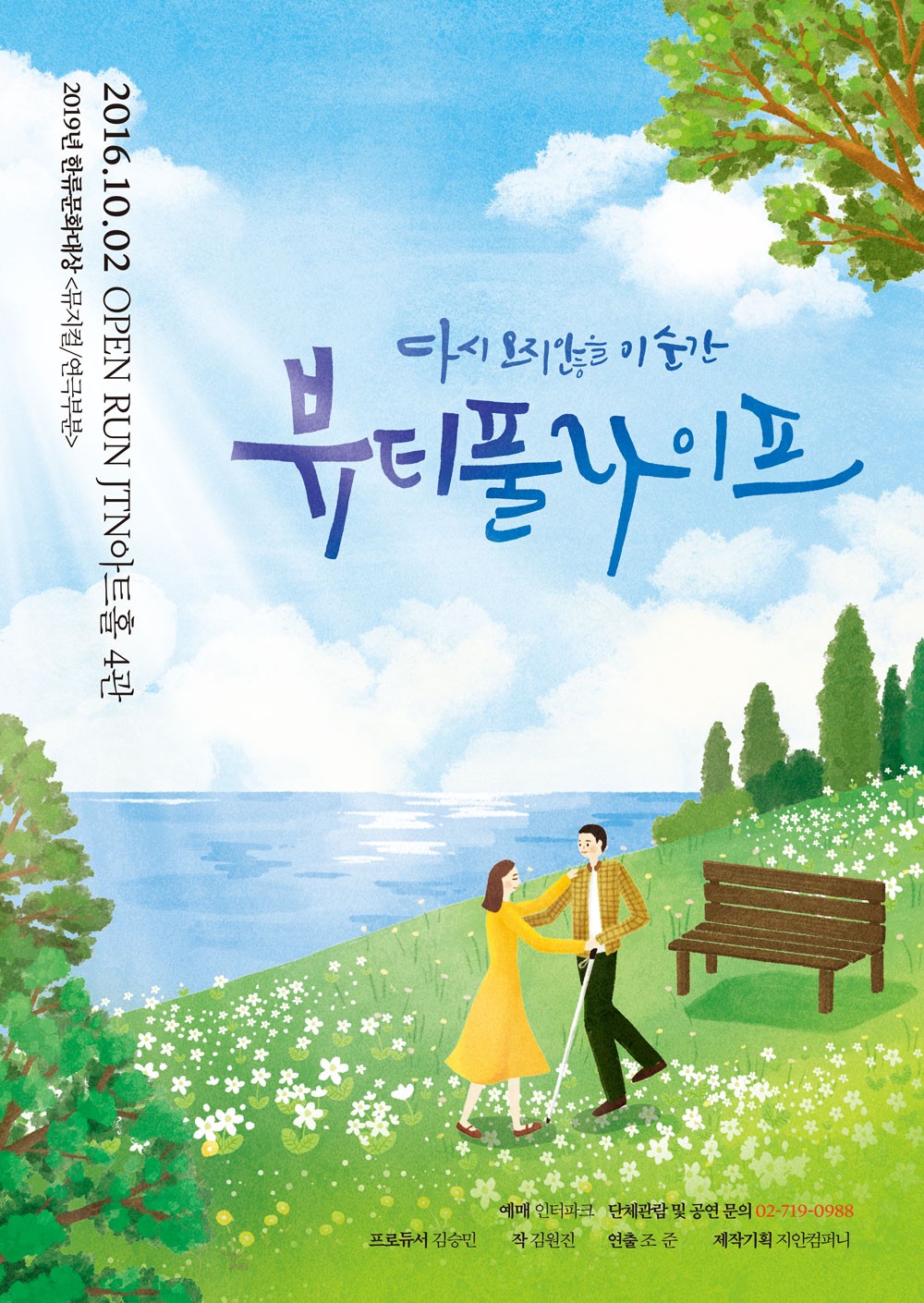
Jongno-gu·JTN Art Hall (เดิมคือ Daehangno Art Madang)
![โปสเตอร์ หนูน้อยหมวกแดง ระวังนะ! [ชองจู, เซจอง]](https://www.kopis.or.kr/upload/pfmPoster/PF_PF150471_200629_135159.gif)
Cheongju-si·โรงละครขนาดเล็กซเวแนโกล

Jongno-gu·แด็งโรฮอลล์
Cheongju-si·พิพิธภัณฑ์ศิลปะสมัยใหม่และร่วมสมัยแห่งชาติ สาขาชองจู

Jongno-gu·แฮปปี้ซีเอนเตอร์