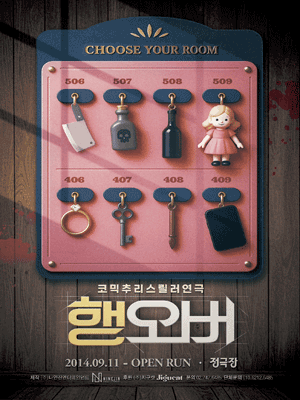
PaidOngoing
Performance
Hangover
Jongno-gu·Jeong Theater (formerly M Theater, formerly Harmony Art Hall)
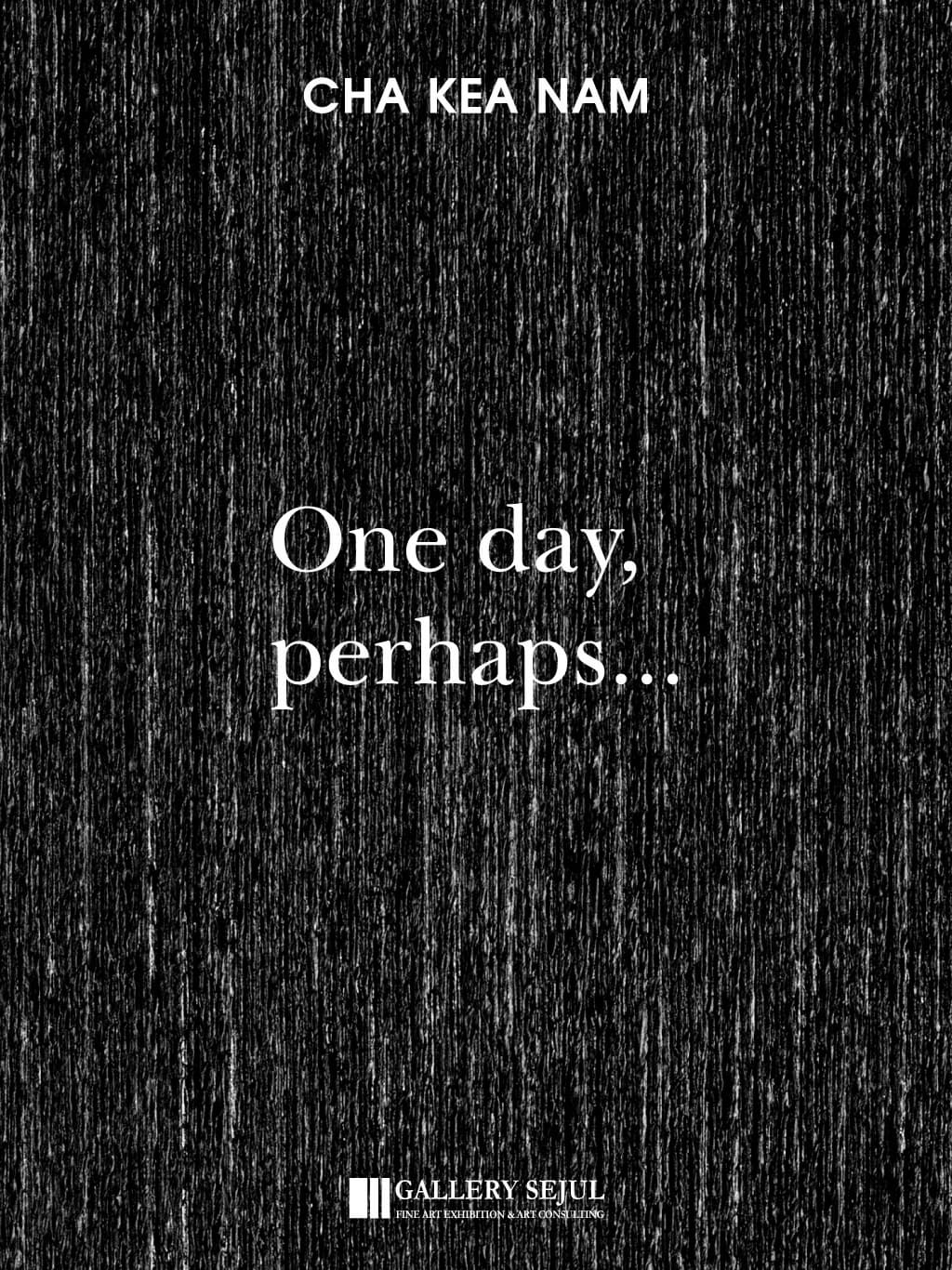
Free · Jongno-gu Gallery Sejul
August 20 (Thursday) to October 10 (Saturday), 2026 Gallery Sejul Cha Kye-nam's work has always started with materials, but its end did not stay there. Fiber, sisal hemp, Hanji (traditional Korean paper), and ink. The materials chosen by the artist were soft and flexible, sometimes easily torn or scattered. However, Cha Kye-nam repeatedly dyed, twisted, and layered these fragile materials, leading them into a solid world. in her work, material becomes form, form becomes time, and time remains a space of silence. In her early fiber art, Cha Kye-nam expanded the possibilities of fiber into a sculptural dimension by dyeing and compressing sisal hemp. Thread and fiber were no longer decorative elements on a plane. They stood on their own, occupied space, and became structures that confronted the viewer's body. This process of a soft material acquiring a solid presence is an important starting point for understanding her artistic world. Silence in her work is not mere quietness, but a space where the accumulation of time and thought resides, and black is read not as a color of termination but as a depth harboring generation and possibility. The structures and surfaces created by repeated actions go beyond form to create a space where life and death, presence and absence, and being and non-being coexist. This attitude has continued in her work with Hanji and ink since the 2000s. The artist wrote phrases she held in her heart with ink on Hanji, then cut the paper and twisted it like thread. The letters lose their form but do not completely disappear. They remain as traces of dots and lines, becoming another landscape on the surface. The act of attaching these threads one by one is not just a production method, but a process of asceticism that accumulates time through repetition. The artist described this as controlling the desire to draw and focusing on the action itself in a state of selflessness (musim). The surfaces created by black and white look like landscapes or layers of memory. Within them, we face a quiet tension between the visible and invisible, the disappearing and the remaining. This exhibition is not just a retrospective of the artist's life. Rather, it is a place to examine how her work acquires new meaning in today's time, and viewers experience the artist's accumulated time and space beyond just appreciation. In the words "One day, perhaps," there is a sense of an arrival that has not yet ended. One day, perhaps, we will ask again in front of Cha Kye-nam's work: What disappears, and what remains? How does silence become form? What is reborn within the black? "How does the invisible exist?" At this point, we aim to shed new light on the meaning of artist Cha Kye-nam's artistic work.
Jongno-gu Gallery Sejul
Get directions on Google MapsNo reviews yet. Be the first to leave one.
Please write at least 10 characters. Posts containing ads or links are rejected, and posts that breach the content policy may be hidden after being reported.
Jongno-gu·Jeong Theater (formerly M Theater, formerly Harmony Art Hall)

Jongno-gu·JTN Art Hall

Jongno-gu·Contents Box (formerly Le Meilleur Theater)
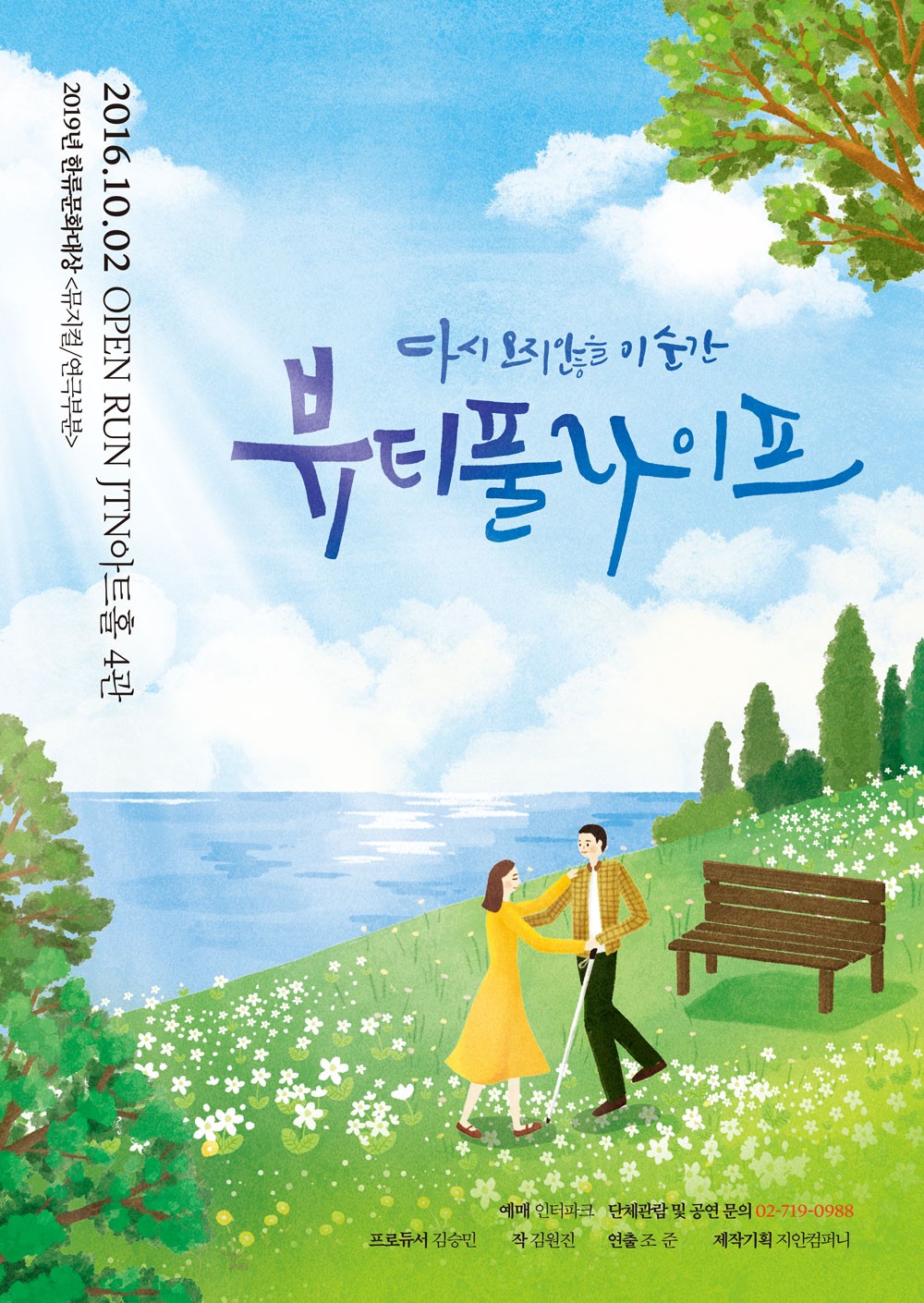
Jongno-gu·JTN Art Hall (formerly Daehangno Arts Madang)

Jongno-gu·Parang Theater (formerly Dohyang Art Hall, formerly Mudis Hall)

Jongno-gu·Delicious Theater
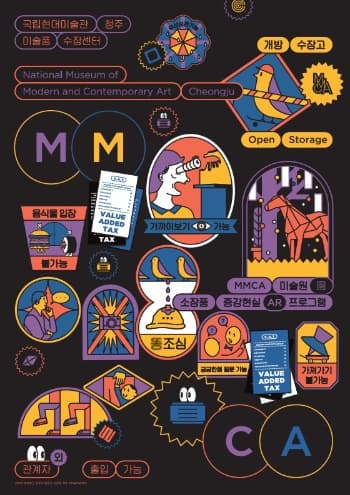
Cheongju-si·National Museum of Modern and Contemporary Art, Cheongju (MMCA Cheongju)

Seoul Grand Park

National Museum of Korea
Yongsan-gu·Ancient Greece and Rome Gallery, Permanent Exhibition Hall, National Museum of Korea (Gungnip Jungang Bangmulgwan)
Saha-gu·Museum of Contemporary Art Busan
Haeundae-gu·Busan Museum of Art

Yeongdeungpo-gu·East Lobby, 1F, 63 Building, Yeouido
Jongno-gu·Jeong Theater (formerly M Theater, formerly Harmony Art Hall)
Jongno-gu·JTN Art Hall
Jongno-gu·Contents Box (formerly Le Meilleur Theater)
Jongno-gu·JTN Art Hall (formerly Daehangno Arts Madang)
Jongno-gu·Parang Theater (formerly Dohyang Art Hall, formerly Mudis Hall)

Cheongju-si·Soenaegol Small Theater