
FreeOngoing
Exhibition
World-Renowned AI Media Artist Refik Anadol's First Permanent Exhibition
Yeongdeungpo-gu·East Lobby, 1F, 63 Building, Yeouido

Paid · Ages 7 and up · Yeongdeungpo-gu Youngsan Art Hall
[About the Performance] Franz Liszt's Epic 〈Via Crucis〉 Liszt's Most Dramatic Sacred Music Striped of Flamboyance Liszt's 《Via Crucis》 is sacred music depicting Jesus Christ's journey from being sentenced to death and carrying the cross to being laid in the tomb. Consisting of an introduction and the 14 Stations of the Cross, this work condenses the meaning of human suffering, compassion, death, and salvation in about 30 minutes. Although handling dramatic events, this work does not rely on outward flamboyance or excessive emotional expression. Liszt set aside brilliant orchestral colors and Romantic passion, describing Jesus's passion through simple melodies, restrained harmonies, dissonances, and long silences. Because splendor was removed, the suffering feels all the more direct, and the silence between notes leaves a religious resonance deeper than words. 《Via Crucis》 condenses the spiritual and musical world Liszt reached in the latter half of his life. He began the initial concept for this work in 1866 and concrete structure planning between 1876 and 1877. After completing it in Tivoli near Rome in 1878, he revised it several times, finalizing the form for choir and organ in Budapest in February 1879. The work incorporates medieval Latin hymns, passion passages from Scripture, and German Lutheran chorales. In particular, the chorale melody widely known from Bach's 《St. Matthew Passion》 is quoted, bringing together long-standing church music traditions and Liszt's daring late musical idiom within a single work. However, publishing circles at the time judged this work as excessively unconventional and departing from traditional sacred music forms. Liszt attempted publication during his lifetime, but it was rejected, and the work went unperformed for a long time. Today, 《Via Crucis》 is evaluated as a masterpiece of Liszt's late period showing ahead-of-its-time harmony and an aesthetics of silence. A Pilgrimage Across 14 Cross Stations Led by Recitation and Music This stage goes beyond simply performing the piece. Solemn recitations describing each scene of the cross proceed alongside music portraying Jesus's suffering and inner human reflection. In the introduction 'Vexilla Regis', the outline of the cross emerges in darkness, followed by the 14 stations: death sentence, carrying the cross, falling three times, meeting Mary, Simon's aid, Veronica, women of Jerusalem, being stripped, crucifixion, death, and burial. The reciter does not explain scenes at length. Short, restrained sentences like "The innocent Lord stands before human judgment without defending Himself" or "The world binds the Lord's body, but love cannot be bound" guide the audience into the scenes within the music. As choir, organ, piano, recitation, movement, and light unite into one, the audience is invited not as mere observers, but as participants walking the Stations of the Cross together. Even after the 14th station ends, the music does not immediately lead to applause or dramatic conclusions. The stage remains in silence, leaving time for the audience to reflect on suffering, death, waiting, and faith. A special power of this work lies in anticipating the light beyond without directly portraying the resurrection. Kodály's Choral Works and Hungarian National Spirit This performance is presented as a stage introducing representative national music of Hungary and Korea. Following Liszt's deep, solitary religious meditation, national language and life expand into communal song. Hungarian selections include Zoltán Kodály's **《Pange Lingua》** and **《Ave Maria》**. These works highlight Kodály's unique simple yet strict contrapuntal choral technique and restrained harmonies. Rather than flashy effects, they establish a reverent religious atmosphere through the purity and inner depth of the human voice. Under the belief that "music belongs to everyone," Kodály viewed folk songs as the musical mother tongue of a nation. His choral pieces are infused with the natural accents and melodic flow of Hungarian folk songs, elevating native musical language to high artistic choral standards. Though Liszt and Kodály are introduced as composers of different eras in this concert, their music connects naturally through Hungarian history, faith, human suffering, and communal spirit. Everlasting Gems of Korean National Songs Filled with Korean art songs loved for generations. 《The Pioneer》, 《I Shall Live in the Green Mountains》, 《Barley Field》, 《Longing for Mt. Kumgang》, 《Is My Love Coming》, and 《To the Land of Hope》 will be performed by choir and piano. These pieces are not just a collection of old art songs, but a musical record accumulating Korean history, nature, longing, and hope. 《The Pioneer》 sings of firm will and spirit toward country and nation; 《I Shall Live in the Green Mountains》 sings of pure human desire to live in nature. 《Barley Field》 holds warm memories of hometown fields and rustic life, while 《Longing for Mt. Kumgang》 conveys poignant longing for the beautiful land made unreachable by division. 《Is My Love Coming》 unfolds the emotion of waiting through delicate, lyrical melodies, and 《To the Land of Hope》 powerfully sings the community's determination to move toward a brighter future beyond trials. Korean art songs do not end as a performance solely for the choir on stage. Combining solos and chorus according to song characteristics, the last verse invites the audience to sing together, transforming the entire venue into a massive singing community. Commentary will also introduce background origins and song lyric meanings. This demonstrates Seoul Kodály Singers' musical philosophy to go beyond passive appreciation and sing together again across generations. Booking: Nol Universe http://ticket.interpark.com/Ticket/Goods/GoodsInfo.asp?GoodsCode=26011168 Venue: http://www.youngsanarthall.com/rb/ Duration: 1 hour 40 minutes Capacity: 598 Parking: Available 출연: 조현철, 서유진 등 제작진: 조홍기 등
Yeongdeungpo-gu Youngsan Art Hall
Get directions on Google MapsNo reviews yet. Be the first to leave one.
Please write at least 10 characters. Posts containing ads or links are rejected, and posts that breach the content policy may be hidden after being reported.
Yeongdeungpo-gu·East Lobby, 1F, 63 Building, Yeouido

Yeongdeungpo-gu·Yeouido Park (68-1 Yeouigongwon-ro, Yeongdeungpo-gu)

Yeongdeungpo-gu·Yeouido Hangang Park
![Poster for Public Art Waterfront Gallery Project [Seonyudamdam] Artwork Exhibition Opening](/img/dd28dc035eeecf37-card.webp)
Seoul Metropolitan Government
Yeongdeungpo-gu·Seonyudo Park
![Poster for 2026 Yeongdeungpo Art Hall Planned Performance: [Matinee Concert With Nanse Gum]](/img/431b0ca8025029fd-card.webp)
Yeongdeungpo Cultural Foundation
Yeongdeungpo-gu·Yeongdeungpo Art Hall

Yeongdeungpo-gu·Hangang Park and nearby cultural heritage sites
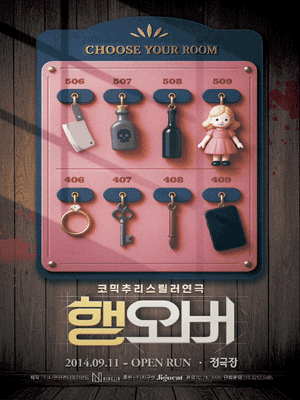
Jongno-gu·Jeong Theater (formerly M Theater, formerly Harmony Art Hall)
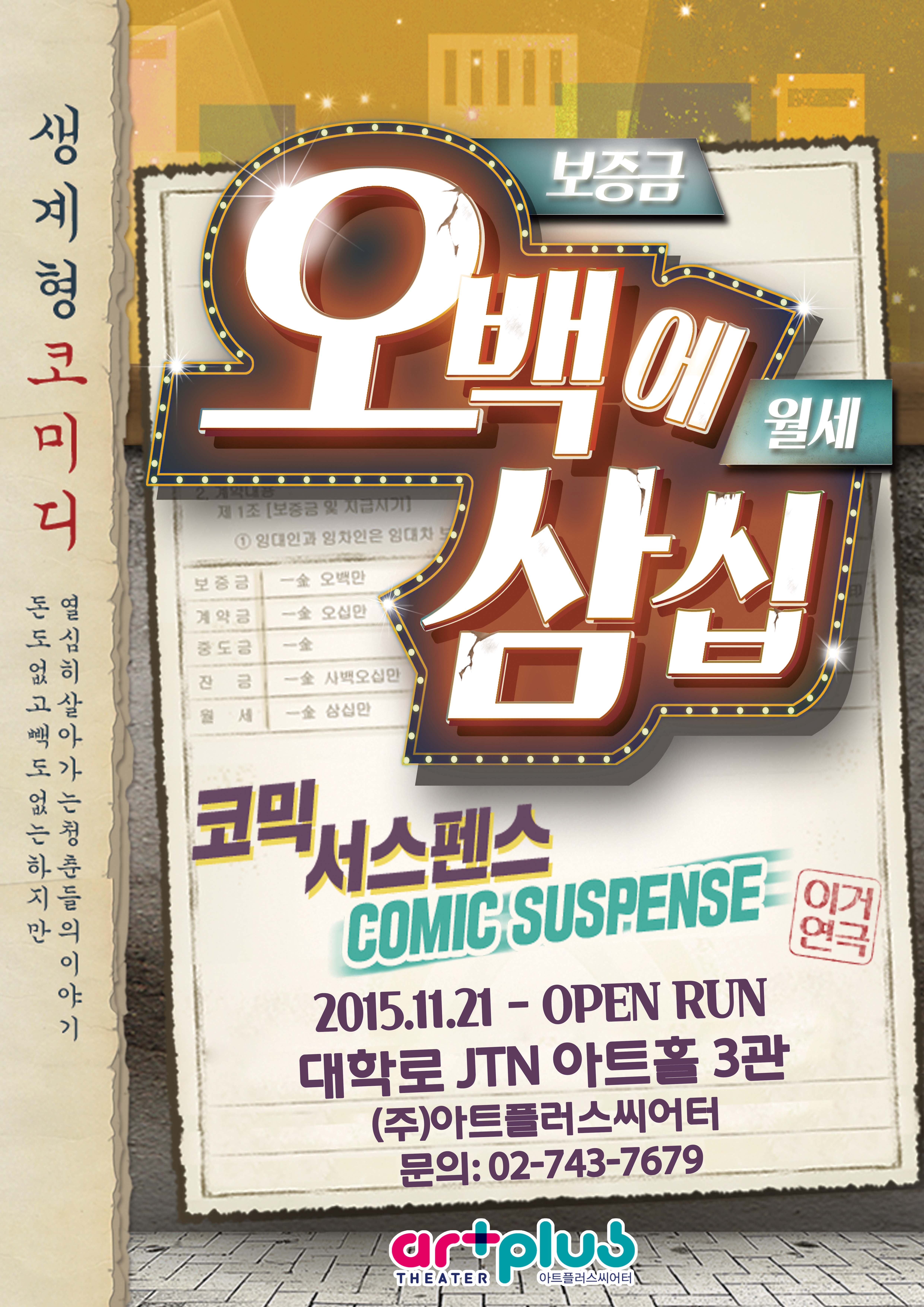
Jongno-gu·JTN Art Hall

Jongno-gu·Contents Box (formerly Le Meilleur Theater)
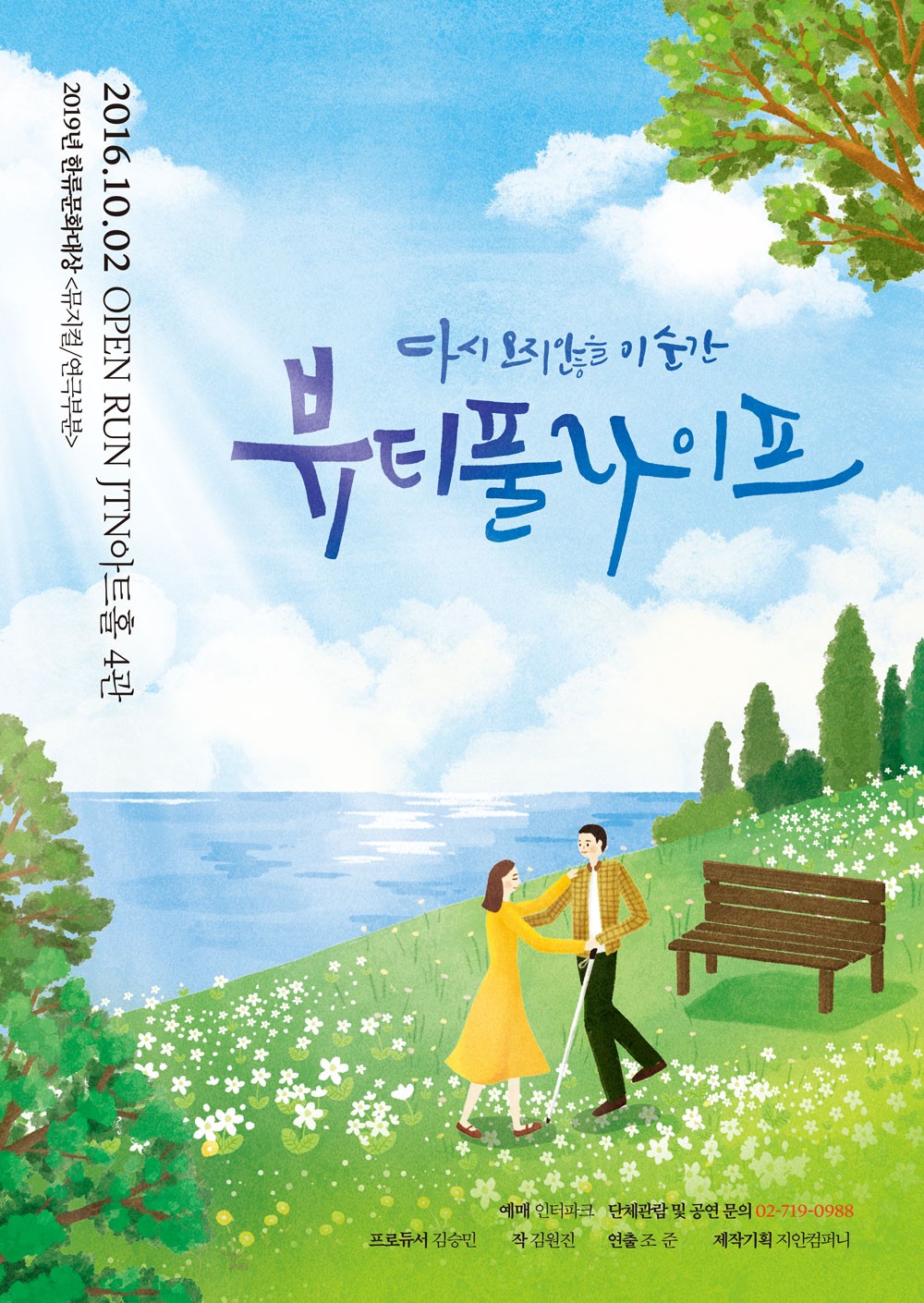
Jongno-gu·JTN Art Hall (formerly Daehangno Arts Madang)

Jongno-gu·Parang Theater (formerly Dohyang Art Hall, formerly Mudis Hall)

Cheongju-si·Soenaegol Small Theater
Jongno-gu·JTN Art Hall
Cheongju-si·Soenaegol Small Theater
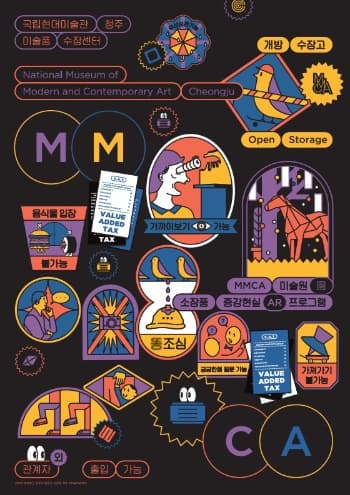
Cheongju-si·National Museum of Modern and Contemporary Art, Cheongju (MMCA Cheongju)

Jongno-gu·Happy Theater

Cheongju-si·Soenaegol Small Theater

Seoul Grand Park